How to Create Your Own Chef's Tasting Menu at Home

![-胖大厨 理想[国]](/_next/image?url=https%3A%2F%2Flh3.googleusercontent.com%2Fa%2FACg8ocICu1AY0LsIuA-rEzdFHR-1OzdloZz8UVg8CaYw-jSXIR1b%3Ds96-c&w=480&q=90 "-胖大厨 理想[国]")
Planning Your Chef's Tasting Menu
Creating a chef's tasting menu at home can be an exciting culinary adventure. The first step is to plan your menu thoughtfully. Consider a theme or cuisine that excites you and your guests. This will help guide your dish selections and create a cohesive dining experience.
When planning, aim for a variety of flavors and textures. A well-balanced menu often includes a mix of savory, sweet, tangy, and spicy dishes. This variety keeps the palate intrigued and engaged throughout the meal.
Selecting the Courses
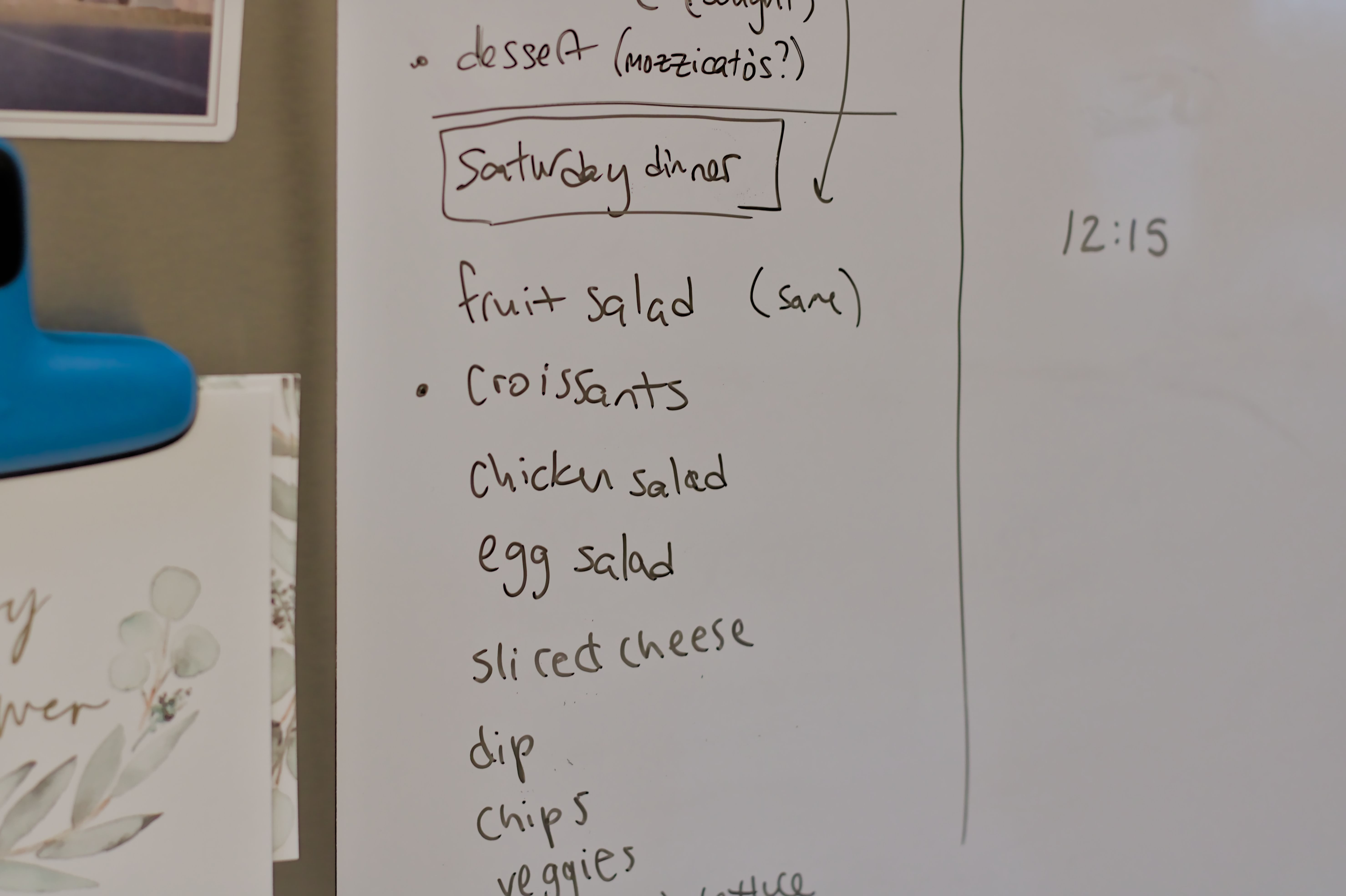
A typical tasting menu consists of five to seven courses, but you can adjust this based on the time and resources available. Start with a light appetizer, such as a small salad or soup, to awaken the taste buds. Follow with a fish or seafood dish that offers a delicate flavor.
Next, include a meat or poultry dish as the main course, paired with a complementary side. Conclude with a dessert that provides a sweet and satisfying finish to the meal. Remember, each course should be small in portion size to keep the dining experience enjoyable.
Preparing the Ingredients
Once you have your menu set, it's time to gather the ingredients. Choose high-quality, fresh produce and proteins to ensure the best flavors. Visiting a local farmers' market can provide access to seasonal ingredients that will enhance your dishes.
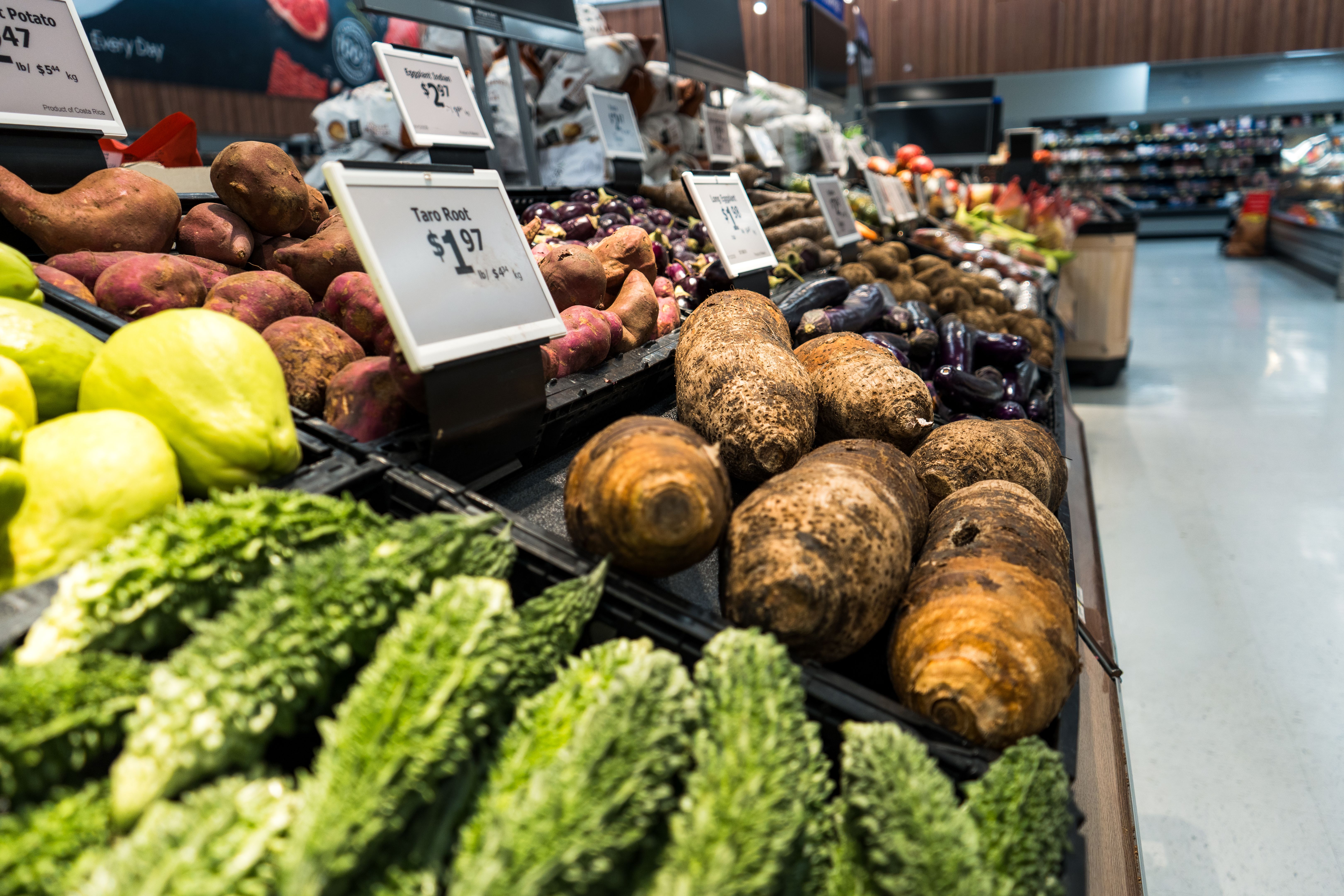
Organize your ingredients by course, labeling each group to streamline the cooking process. This preparation will save you time and help maintain a smooth flow in the kitchen.
Cooking and Presentation
Cooking a multi-course meal can be challenging, so plan your time wisely. Start with dishes that can be prepared in advance, like soups or desserts, to reduce last-minute stress. Use timers and set reminders to stay on track with cooking times for each course.
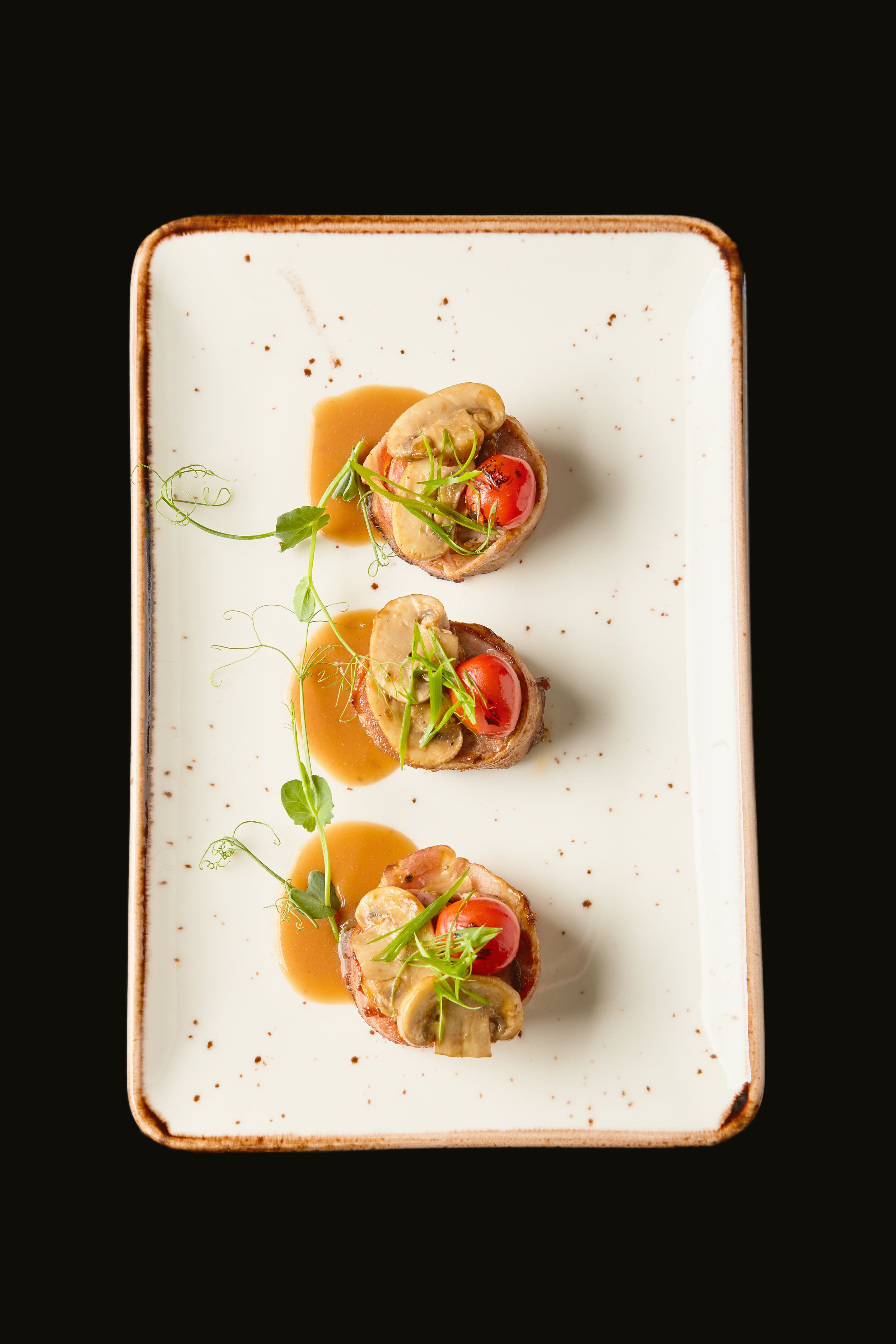
Presentation is key in a tasting menu. Use small plates or bowls to serve each course and pay attention to plating details. Adding garnishes or drizzles of sauce can elevate the visual appeal of your dishes.
Setting the Atmosphere
The ambiance of your dining space can significantly enhance the tasting menu experience. Consider setting the table with elegant tableware, candles, and soft lighting to create a warm and inviting atmosphere.
Music can also play a vital role in setting the mood. Choose a playlist that complements the theme of your menu, whether it's classical, jazz, or something more contemporary.
Pairing with Beverages
Beverage pairings are an integral part of a tasting menu. Select wines, cocktails, or non-alcoholic options that complement each course. For example, a crisp white wine may pair well with seafood, while a robust red enhances the flavors of a meat dish.
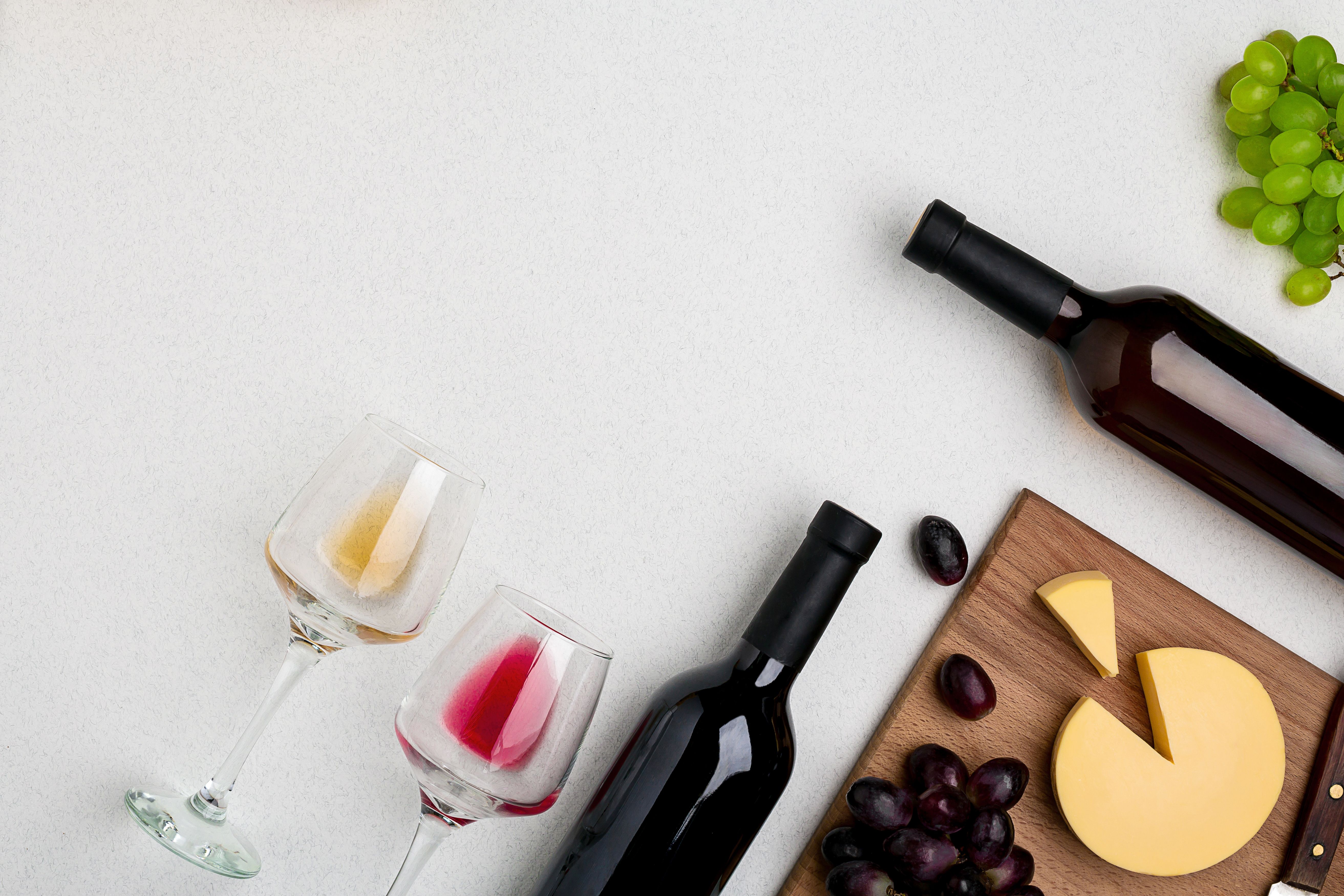
If you're unsure about pairings, consider consulting with a wine expert or doing some research online to find the best matches for your menu.
Enjoying the Experience
Finally, remember to enjoy the process and the meal itself. A chef's tasting menu is not only about the food but also the experience of sharing it with friends and family. Encourage conversations about the flavors and textures as you savor each course together.
With careful planning and a bit of creativity, you can create a memorable dining experience that brings the elegance of a restaurant tasting menu into your own home.