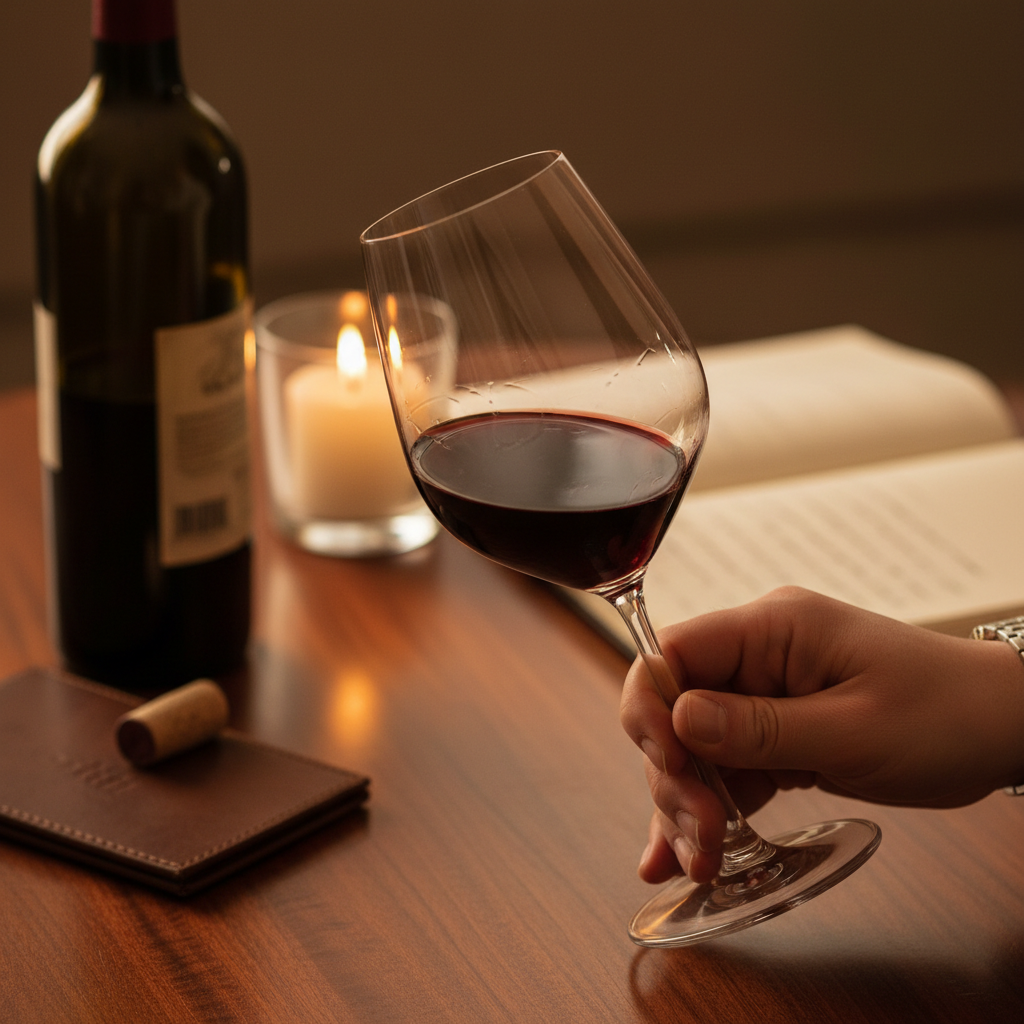
The Art of Wine Pairing: Elevating Your Dining Experience

![-胖大厨 理想[国]](/_next/image?url=https%3A%2F%2Flh3.googleusercontent.com%2Fa%2FACg8ocICu1AY0LsIuA-rEzdFHR-1OzdloZz8UVg8CaYw-jSXIR1b%3Ds96-c&w=480&q=90 "-胖大厨 理想[国]")
Understanding the Basics of Wine Pairing
Wine pairing is an art that enhances the flavors of both the food and the wine. The goal is to create a harmonious balance where neither the dish nor the wine overpowers the other. By understanding basic principles, you can elevate your dining experience to new heights.
The key to successful wine pairing lies in complementing or contrasting flavors. For example, a rich, buttery Chardonnay pairs beautifully with creamy sauces, while a zesty Sauvignon Blanc can cut through the richness of a fatty dish, offering a refreshing balance.
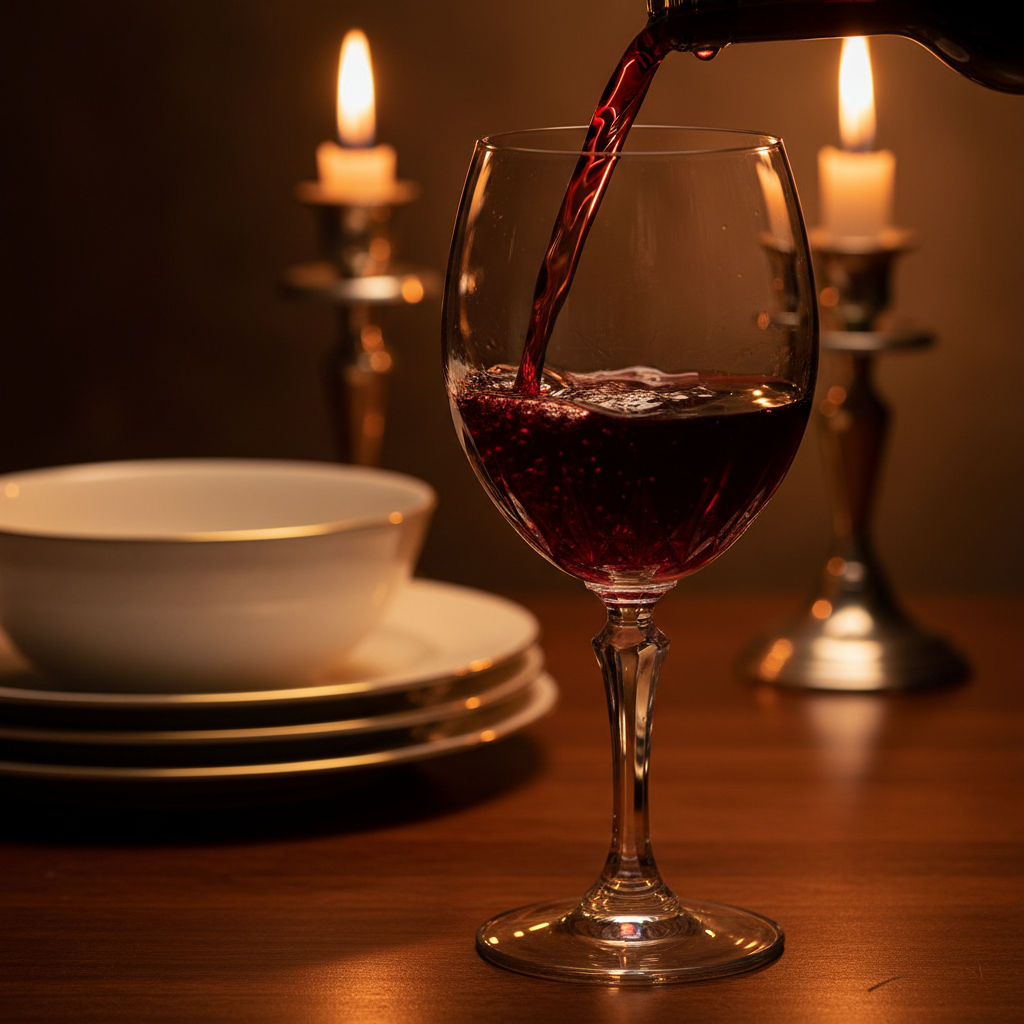
Pairing Red Wines
Red wines are generally bolder and pair well with hearty dishes. The tannins in red wine can complement the proteins in red meat, enhancing the flavors of both. Here are some classic pairings:
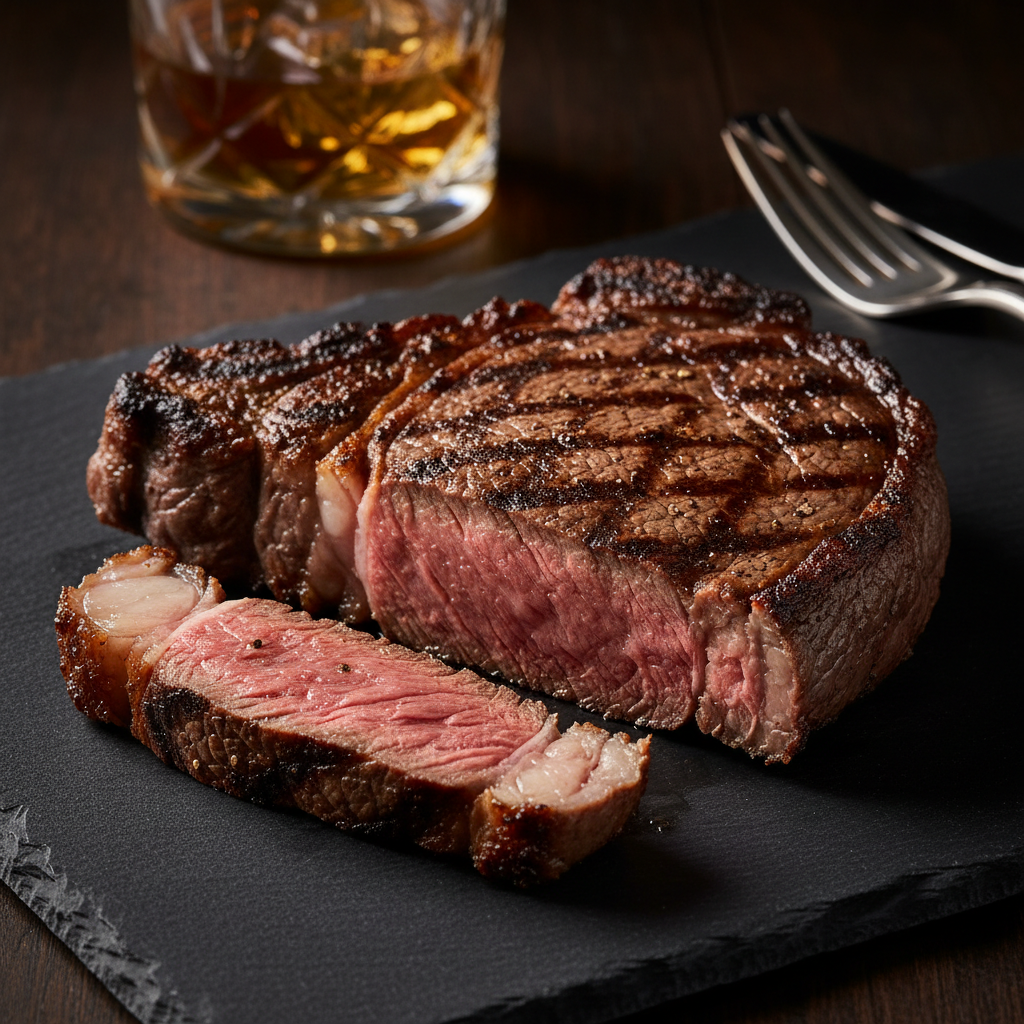
- Cabernet Sauvignon: Ideal with grilled steak or lamb.
- Pinot Noir: Pairs well with duck, chicken, or mushroom dishes.
- Merlot: Complements roasted vegetables and pork dishes.
When selecting a red wine, consider the sauce and seasoning of the dish. A spicy dish might pair better with a lighter red to avoid overwhelming the palate.
Pairing White Wines
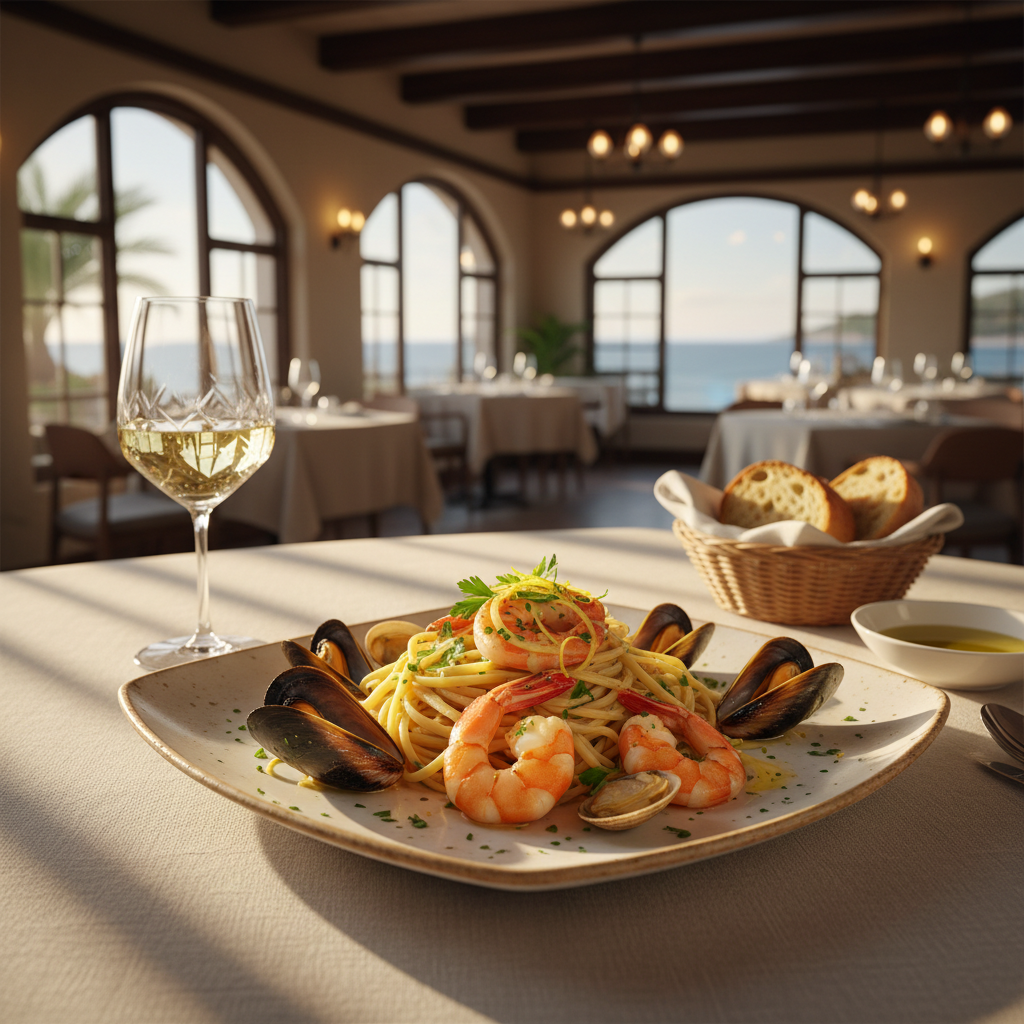
White wines are often lighter and more versatile. They can pair beautifully with a wide range of dishes, from seafood to poultry. Here are some suggestions:
- Chardonnay: Great with creamy pasta or buttery seafood.
- Sauvignon Blanc: Perfect with goat cheese, salads, and light fish dishes.
- Riesling: Complements spicy cuisines like Thai or Indian.
The acidity in white wines can enhance the flavors of a dish, making them a popular choice for many chefs and food enthusiasts.
Exploring Rosé and Sparkling Wines
Rosé and sparkling wines are often underestimated in the world of wine pairing. However, their unique characteristics make them a delightful choice for various dishes.
- Rosé: Pairs well with charcuterie, grilled vegetables, and light salads.
- Sparkling Wine: Versatile with fried foods, sushi, and even dessert.
The effervescence of sparkling wines can cleanse the palate, making them an excellent choice for richer meals.
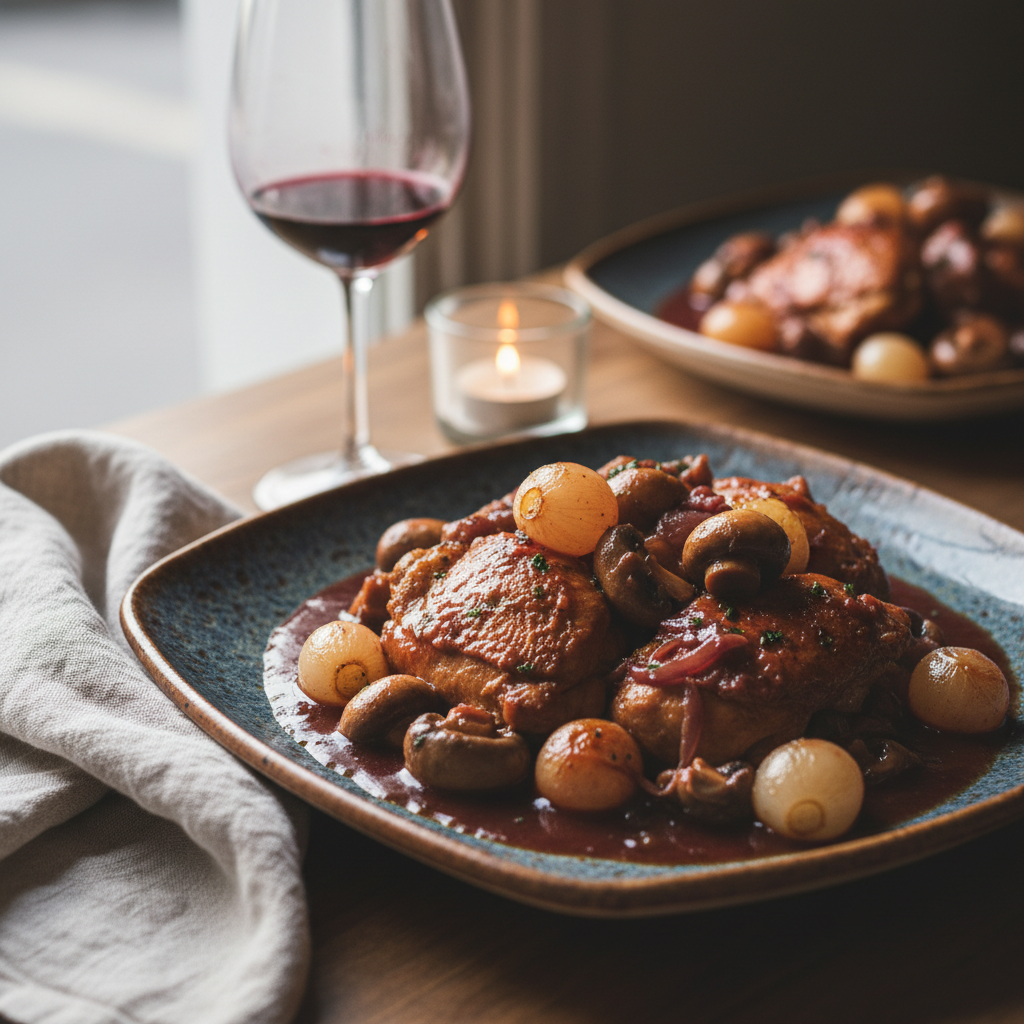
Experimenting with Pairings
While traditional pairings are a great starting point, don't be afraid to experiment. The art of wine pairing is personal, and what works for one person might not work for another. Trust your palate and enjoy the journey of discovery.
Consider hosting a wine tasting evening where you and your friends can try different pairings. This can be a fun way to learn and expand your understanding of flavors.
In conclusion, wine pairing is about enhancing your dining experience. By understanding the basic principles and being open to experimentation, you can create memorable meals that delight the senses.